







The beginner's guide to supplements: start with your biggest barrier, not the biggest stack
If you are about to start the gym, get back into training, lose weight, or simply feel healthier day to day, the hardest part is usually not the workout itself. It is the first step into a new routine.
You are trying to work out what to eat, what to take, when to train, how sore you are meant to feel, which products are worth buying, and whether you are doing any of it properly. That is why so many beginners either overcomplicate the whole thing or rely on whatever is easiest in the moment: another coffee, an energy drink, a protein bar from the servo, or skipping the session entirely because they feel flat.
Supplements should not make your routine more confusing. Used properly, they are one of the simplest ways to support the first few weeks of a new health, weight loss, or training goal. You do not need a 12-tub stack on day one, but you also do not need to wait until you are "serious enough" to use supplements either.
Here is the rule that makes this simple.
Choose the product that supports the habit you are building, not the product with the loudest promise.
That is the whole framework. Everything below is a way of applying it.
Why supplements can help from the start
A lot of people think supplements are only for bodybuilders, athletes, or people who already live in the gym. That is not true. Supplements are for people trying to make the better choice more often.
That might mean getting enough protein while losing weight. Supporting your energy before training without another last-minute coffee. Controlling cravings while you settle into a new eating pattern. Or recovering well enough to come back tomorrow.
If you train, supplements can support performance, recovery, protein intake and consistency. If you do not train yet, they can still be useful for general health routines, weight management, appetite structure, and hitting nutrition targets that are hard to reach through food alone.
The mistake is buying based on someone else's stack. The smart move is buying based on the one barrier most likely to break your routine in the next two weeks.
The convenience habits problem
Most people do not fail their routine because they lack discipline. They fail because the day gets busy, energy drops, food gets random, and the easiest option wins.
That is where takeaway coffees, servo snacks, sugary drinks and another late-afternoon caffeine hit sneak in. None of those are automatically "bad", but they get expensive fast, and they often come with more sugar, calories or extras than you actually wanted. Two convenience choices a day can cost more across the week than a structured supplement routine, while doing less for your training, nutrition or weight loss goal.
A well-chosen supplement is the targeted version of the same instinct. You wanted convenient and quick. The supplement gives you convenient and quick plus dosed properly for the goal you actually have.
The framework: start with your biggest barrier
This is the part that matters. Read the barrier on the left, match it to the role on the right. One product. Use it for four weeks. Add the next one only when there is a clear reason to.
Pick the row that matches you most honestly. Not the row that looks most impressive. The one that describes the actual reason your routine breaks.
What a realistic first month looks like
Your first goal is not to train like someone who has been lifting for five years. Your first goal is to walk in, get through the session, recover well enough to come back, and make the whole process feel normal.
Before the first session. Eat a normal meal a couple of hours before you train. Bring a water bottle. Wear comfortable shoes. Pick a time the gym is not at its busiest if that helps you feel relaxed. If you can book an induction or quick tour, do it. Knowing where the dumbbells, machines, lockers and toilets are removes half the awkwardness.
The session itself. Start with a basic full-body workout or an easy cardio session. You do not need to test your limits. Use weights you can control, keep a few reps in reserve, and leave feeling like you could come back in a day or two. That beats destroying yourself and spending the rest of the week too sore to move.
A realistic beginner week. Two full-body strength sessions and one cardio session, with an optional fourth day if you feel good. Three sessions done consistently beats five sessions that leave you cooked and inconsistent.
Aftercare. Water, then food within a couple of hours. A walk the next day instead of sitting still all day. Sleep that night — seven to nine hours if possible. Soreness peaks 24 to 48 hours after the session, then drops off. That is normal.
If recovery between sessions is the thing breaking you, that is your barrier. Go back to the framework, pick the recovery role, use it for four weeks.
If your goal is weight loss
Weight loss is where supplements get the most misunderstood. A supplement does not completely replace the basics: calorie control, protein intake, movement, sleep and consistency. What it can do is make those basics easier to stick to and more effective.
The two roles that earn their place in a beginner weight-loss routine are usually a protein product and an appetite or energy support product. Protein because hunger is the number one thing that breaks calorie control, and a protein-led snack stops you grabbing whatever is fast and sugary. Appetite or energy support because the part of the day where most plans fall apart is the afternoon energy dip and the 3pm cravings.
Pick one of the two, depending on which is more honestly your problem. If your meals are already protein-dense but you can't get through 3pm without snacking, the appetite-and-energy role is the priority. If you are skipping breakfast or eating low-protein meals, start with the protein role. Build food, movement and sleep around it. Add the second role once the first is genuinely habitual.
If you do not train
You do not have to be in the gym to use supplements well. Plenty of people use them to support general health, weight management, busy workdays, morning routines, or better nutrition habits.
The same framework applies. What is the barrier? Are you low on protein? Energy crashes in the afternoon? Trying to manage weight or settle a chaotic eating pattern? Pick the role that matches. Use it consistently. Stop there until you have a reason to add more.
How a stack actually builds
The best stack is built in stages. Most people who end up with cupboards of unopened tubs got there by buying everything at once. The people who stay consistent for years got there by adding one role at a time.
Stage one — kick the routine off. One product. Whichever role matches your biggest barrier from the table above. Use it daily for four weeks.
Stage two — support the training. Once you are showing up consistently, this is where a recovery role, a non-stim pre-workout, and daily creatine earn their spots. The signal that it is time: the question changes from "can I get to the gym?" to "how do I get more out of the gym?"
Stage three — optimisation. Stim-and-non-stim pre-workout layering on serious training days. Recovery plus creatine through higher-volume weeks. Wellness-range products for sleep and gut support. None of this is required to start. It is the version of your routine you build once the basics are running on autopilot.
Building this way keeps your stack affordable, easier to follow, and much more likely to be used. One product used every day genuinely supports the direction you are trying to move in. A cupboard full of unopened tubs does nothing.
What you do not need on day one
You do not need five different pre-workouts. You do not need three types of protein powder. You do not need anything promising a dramatic result in a week.
You also do not need to copy the biggest person in the gym, the leanest person on Instagram, or the most complicated stack on TikTok. Their routine, training age, diet, caffeine tolerance and goals are probably different to yours. The product that solves their barrier is not the product that solves yours.
Simple works because simple gets repeated.
The routine matters more than the perfect plan
The first month of any health, training or weight loss journey is about proving to yourself that the routine can hold. You will miss a session. You will have a messy food day. You will forget your shaker. None of that means you failed.
What matters is how quickly you return to the routine. Go the next day. Make the next meal better. Take the supplement you actually bought for the purpose it was meant to serve. Keep moving.
Supplements are there to support that consistency. They can make better choices more convenient, help fill nutrition gaps, give structure to your training days, and replace expensive habits that are not moving you closer to your goal. They are not the whole journey, but they can be the first piece of support that makes the journey feel easier to start.
If you are unsure where to begin, go back to the barrier. Low protein, low energy, weight-loss structure, training consistency or recovery. Pick the role that helps with that. Use it properly. Build from there.
No guesswork. No oversized stack. Just the next smart step.
Pick your starter — quick reference
If you only read one thing, read this. Match your biggest barrier to the product, order it, and use it daily for four weeks before you buy anything else.
Hitting protein is the gap
Protein of the Gods Whey-based protein. Use as a breakfast replacement, an afternoon snack, or post-training.
Energy before training is the barrier
Energy of the Gods A planned, dosed pre-workout. Replaces the third coffee and the random energy drink.
Caffeine-sensitive or train late
Pump of the Gods Stim-free pre-workout. Pumps, focus and endurance without keeping you up.
Cravings and afternoon energy crashes
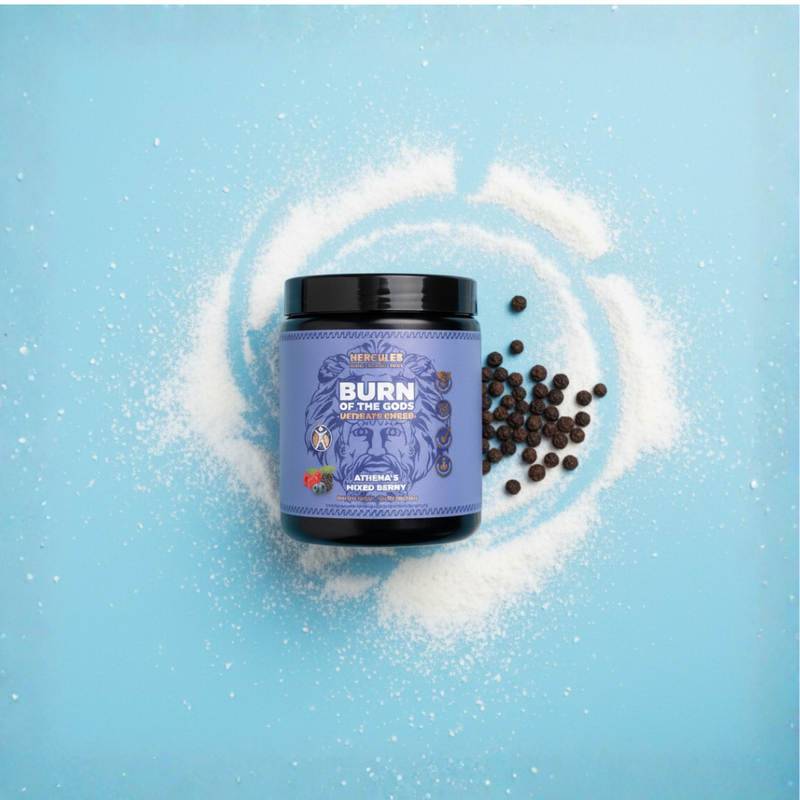
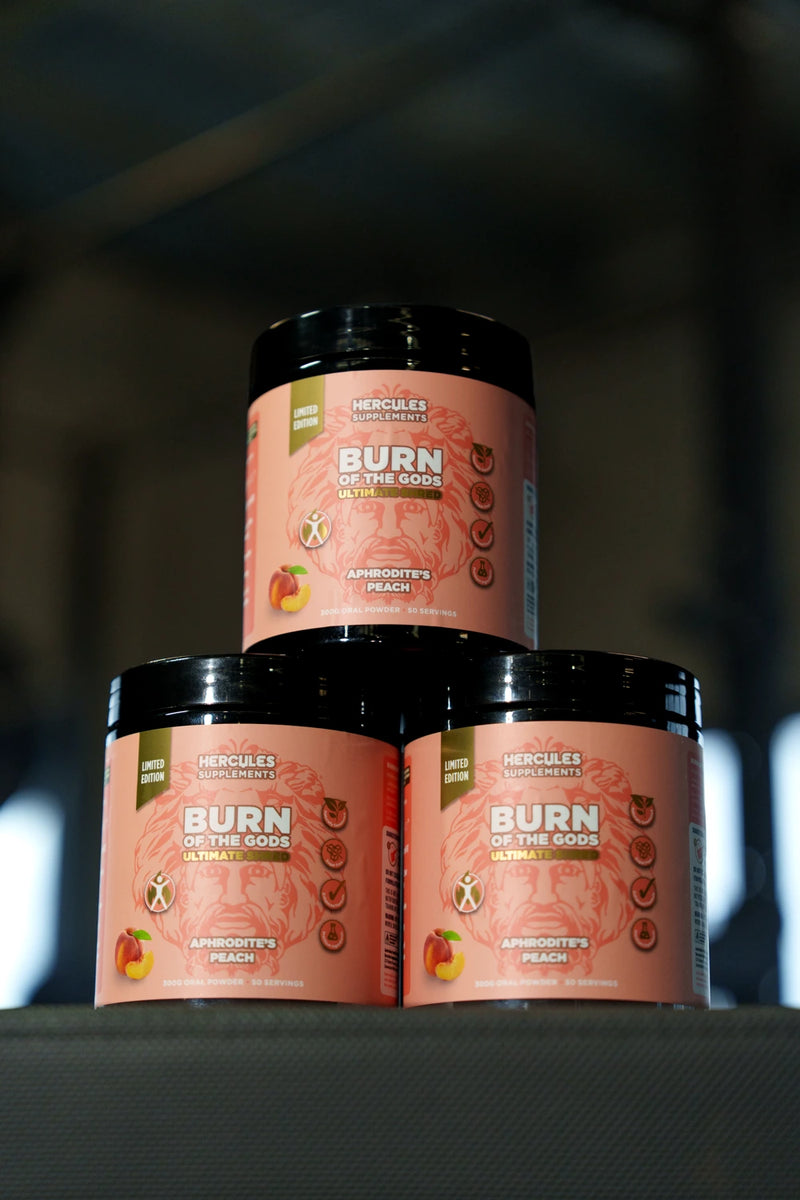
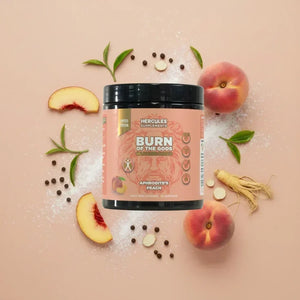
Burn of the Gods Appetite and energy support for the part of the day where most plans break.
Sore between sessions, want to come back faster
Recovery of the Gods EAA-based recovery. The product that turns "I'll go back when the soreness wears off" into "I'll go back Wednesday."
Training consistently, ready for long-term strength
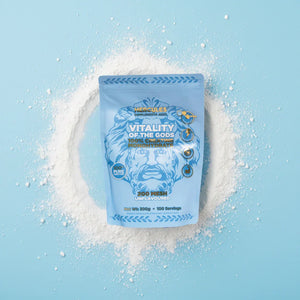
Creatine every day. The most researched supplement on the planet.
Still not sure? Take the 60-second quiz to match a supplement to your goal, or DM us where you are at and we will help you choose what to start with first.
 Secure checkout